Optimal Timing for Waterproofing Applications
Waterproofing is a critical process to protect structures from water intrusion and damage. The timing of waterproofing applications can significantly influence their effectiveness and longevity. Properly timed waterproofing ensures that surfaces are adequately prepared and conditions are optimal for durable results.
Spring offers moderate temperatures and less rainfall, making it ideal for waterproofing projects. It allows enough time for materials to cure before harsher weather conditions.
Summer provides warm, dry conditions that facilitate proper application and curing of waterproofing membranes, especially in regions with high humidity.
Fall is suitable for waterproofing before winter, preventing water ingress during the colder months. Dry, cool weather helps ensure proper adhesion and curing.
Winter waterproofing is generally avoided due to freezing temperatures and increased moisture, which can compromise the application process.
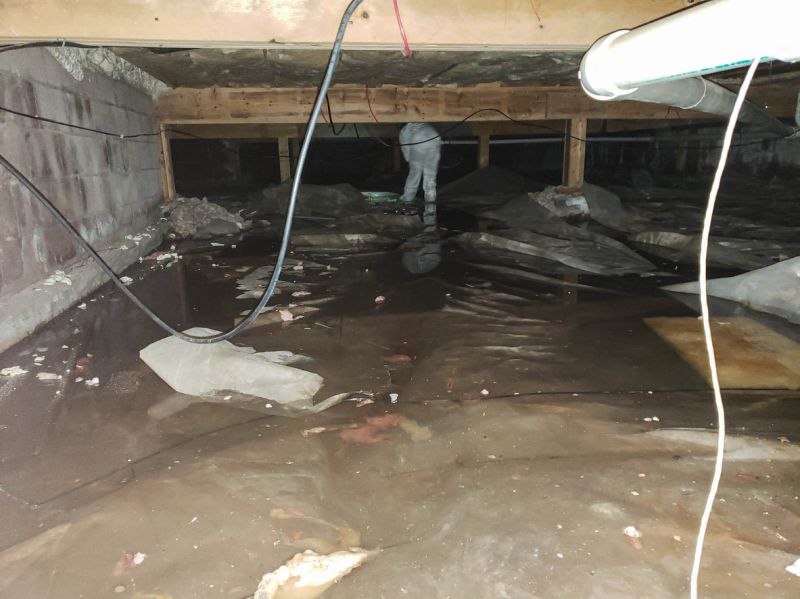
Ways to make Waterproofings work in tight or awkward layouts.
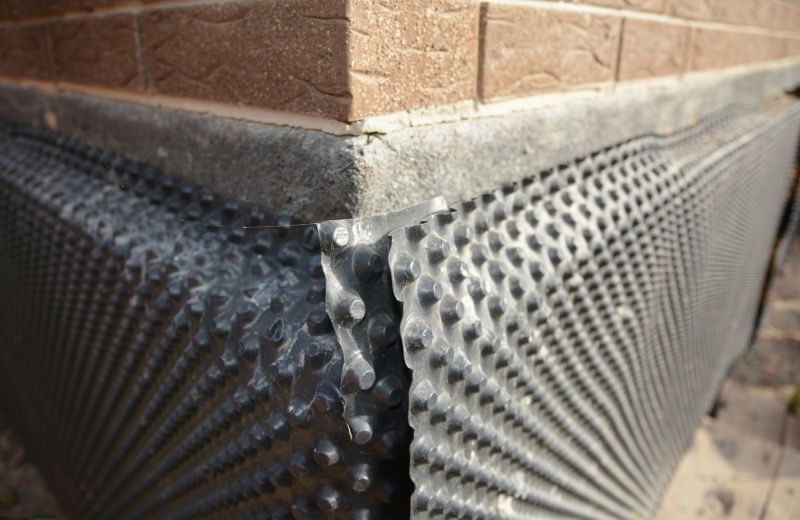
Popular materials for Waterproofings and why they hold up over time.
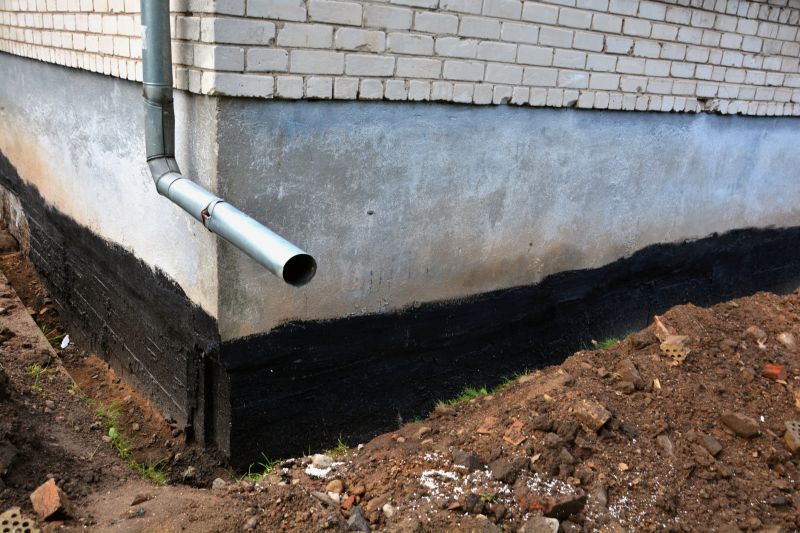
Simple add-ons that improve Waterproofings without blowing the budget.
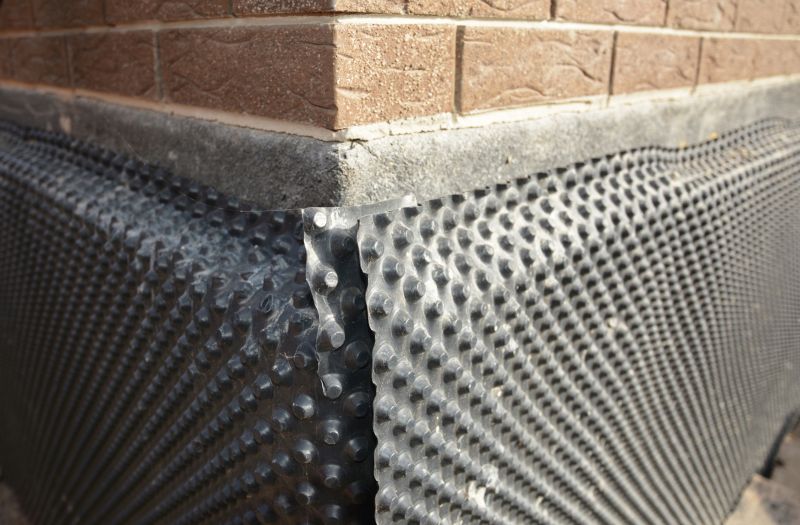
High-end options that actually feel worth it for Waterproofings.
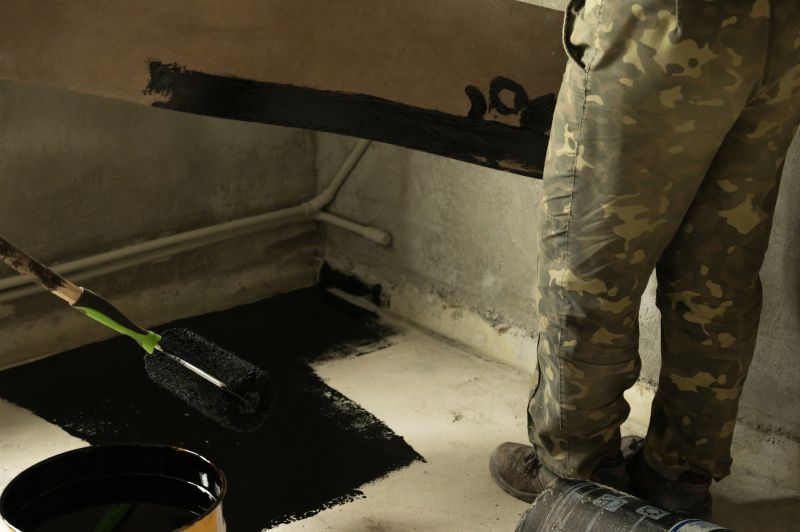
Finishes and colors that play nicely with Waterproofings.
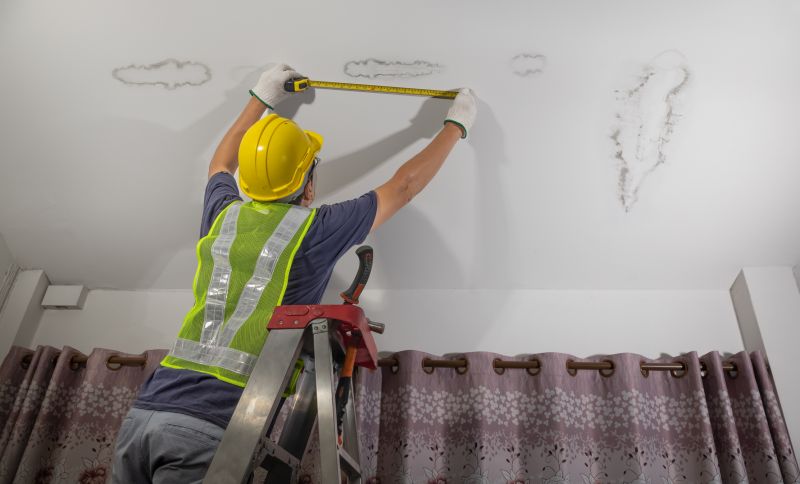
Little measurements that prevent headaches on Waterproofings day.
| Season | Ideal Conditions |
|---|---|
| Spring | Moderate temperatures, less rainfall |
| Summer | Warm, dry weather with high humidity |
| Fall | Cool, dry conditions before winter |
| Winter | Cold, freezing temperatures, and moisture |
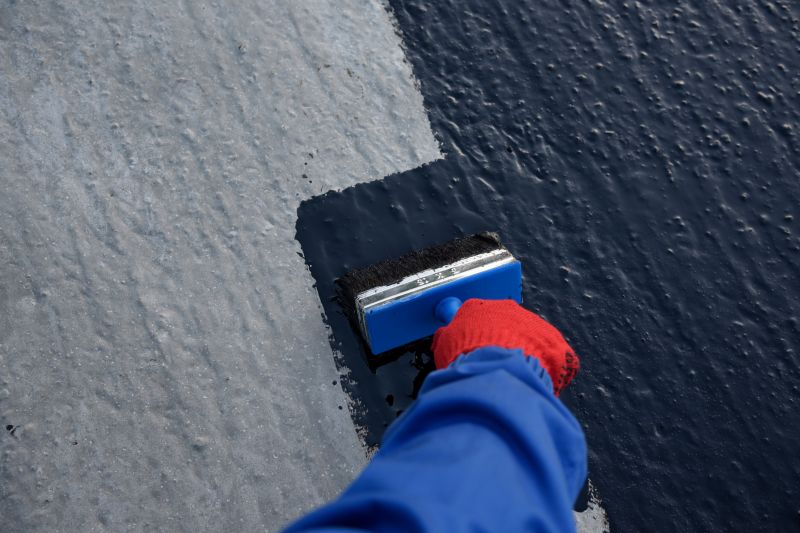
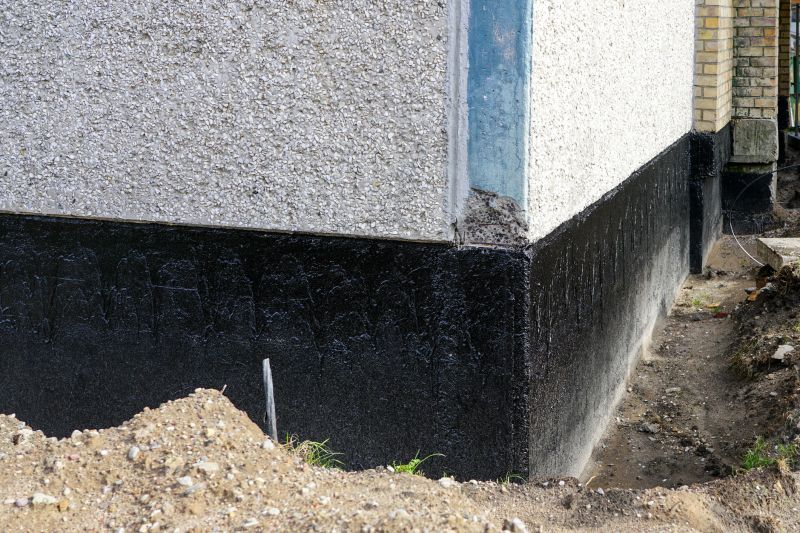
Waterproofings involve applying specialized membranes, coatings, or sealants designed to prevent water penetration. These systems are essential in protecting foundations, roofs, basements, and other vulnerable structures. Effective waterproofing can extend the lifespan of a building and reduce maintenance costs. Materials used vary based on the surface and environmental conditions, including liquid coatings, sheet membranes, and cementitious products.
Statistics indicate that proper waterproofing can prevent up to 80 percent of water-related damages in buildings. Inadequate waterproofing often results in structural deterioration, mold growth, and increased repair expenses. The success of waterproofing depends heavily on correct timing, surface preparation, and application techniques, emphasizing the importance of scheduling projects during optimal weather conditions.
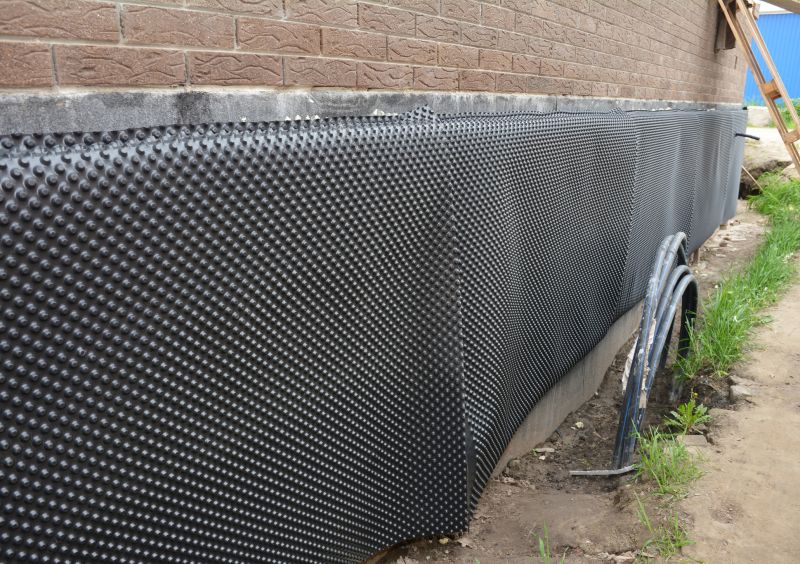
A 60-second routine that keeps Waterproofings looking new.
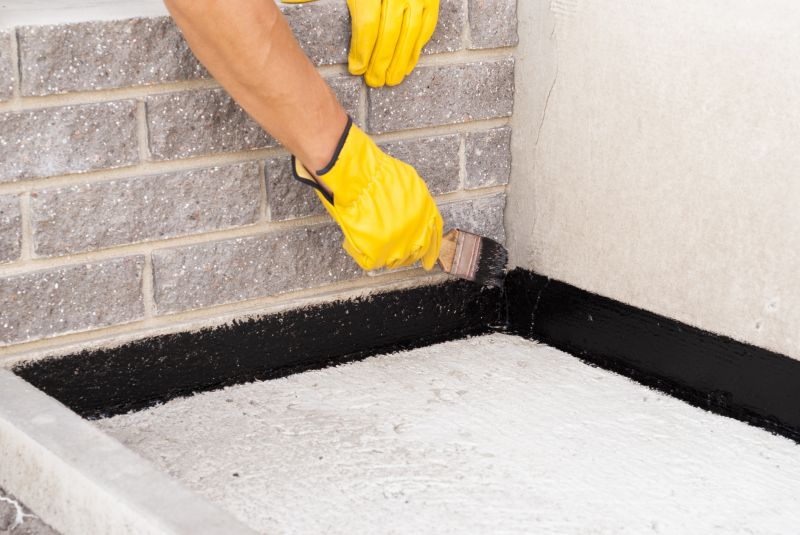
A frequent mistake in Waterproofings and how to dodge it.
Small tweaks to make Waterproofings safer and easier to use.
Lower-waste or water-saving choices for Waterproofings.
Interested parties are encouraged to contact for further information on waterproofing options and scheduling. Proper timing and application techniques are crucial for maximizing the effectiveness of waterproofing systems and ensuring long-term protection.